
Keeping your fridge and pantry tidy may seem like a never-ending task, but with a few smart habits and organization tips, it can become a straightforward and even enjoyable part of your routine. An organized kitchen not only looks great but also helps reduce food waste, saves you time when preparing meals, and ensures your groceries last longer.
In this post, we’ll walk you through practical steps to keep your fridge and pantry neat and orderly.
Why Keeping Your Fridge and Pantry Tidy Matters
A clean and organized fridge and pantry help you:
– Quickly find what you need without rummaging.
– Avoid buying duplicates of items you already have.
– Keep food fresh and reduce spoilage.
– Save money by minimizing waste.
– Make meal planning easier.
Whether you have a small apartment fridge or a spacious pantry, these tips are designed to fit any kitchen size.
How to Organize Your Fridge
1. Start with a Deep Clean
Before organizing, empty your fridge completely. Throw away expired food and any items you no longer want. Use a mild cleaner or a mixture of water and baking soda to wipe down all surfaces, including shelves, drawers, and walls.
2. Group Similar Items Together
Keep like items in the same area to help you spot what you need quickly:
– Dairy products (milk, cheese, yogurt)
– Meats and seafood (in the coldest part)
– Vegetables and fruits (in separate drawers)
– Condiments and sauces
– Leftovers (stored in clear, labeled containers)
3. Use Clear Storage Containers and Labels
Clear bins or containers help keep items contained and easy to find. Label containers with contents and expiration dates for quick reference. This also encourages you to use older items first.
4. Follow Proper Storage Zones
Different fridge zones have different temperatures:
– Top shelves: Ready-to-eat foods like leftovers and drinks.
– Middle shelves: Dairy products.
– Bottom shelves: Raw meat and fish (to avoid drips).
– Drawers: Fruits and vegetables (separate humidity drawers if possible).
– Door shelves: Condiments and drinks (warmer area).
Organizing based on these zones helps preserve freshness.
5. Avoid Overcrowding
Proper air circulation keeps food fresh. Don’t overcrowd your fridge; leave some space between items.
How to Organize Your Pantry
1. Empty and Sort
Similar to the fridge, start by taking everything out. Check expiration dates and donate or discard any expired or unwanted items.
2. Categorize Your Items
Sort pantry goods into categories such as:
– Grains and pasta
– Baking supplies
– Canned goods
– Snacks
– Spices and seasonings
– Cereals and breakfast foods
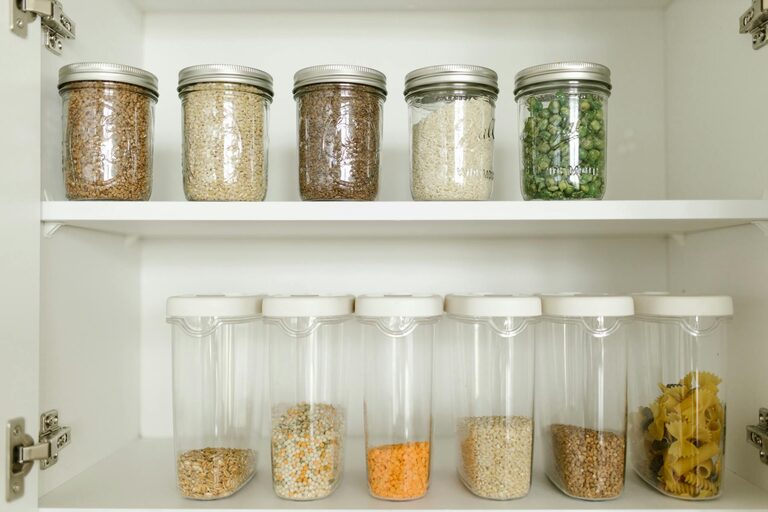
3. Invest in Storage Containers
Transfer loose items like flour, sugar, rice, and cereals into airtight containers. These keep food fresh longer and make your pantry look uniform and tidy.
4. Label Everything
Label jars, containers, and shelves. This helps you maintain order and lets everyone in the family know where items belong.
5. Use Shelf Organizers and Baskets
Shelf risers, lazy Susans, and baskets maximize space and keep smaller items contained. Baskets are great for grouping snacks or baking supplies.
6. Store Frequently Used Items at Eye Level
Place everyday essentials where you can easily reach them. Less frequently used or bulk items can be stored on higher or lower shelves.
Maintenance Tips for Long-Lasting Organization
Keeping your fridge and pantry tidy is easier with regular upkeep. Here’s how:
– Weekly Checks: Quickly scan for expired or spoiled items during your weekly grocery routine.
– Organize After Shopping: Put away groceries immediately and update any storage containers.
– Use the FIFO Method: “First In, First Out” means using older items before newer ones, reducing waste.
– Clean Monthly: Pick a day once a month for a quick wipe down and reorganization if needed.
– Stay Mindful: Avoid impulse buys that cause clutter and plan meals to buy only what you need.
Bonus Tips
– Use chalkboard labels or reusable stickers for easy updating.
– Keep a small whiteboard or notepad on the fridge for grocery lists.
– Consider placing a thermometer in your fridge to ensure it stays at the optimum temperature (around 37-40°F or 3-4°C).
Final Thoughts
A tidy fridge and pantry make cooking and meal prep a breeze. By setting up clear systems for storage, regularly cleaning, and maintaining organization, you can enjoy a clutter-free kitchen. Start small today with one section, and soon your entire kitchen will benefit from an easy-to-manage food storage zone.
Try these tips, and you’ll find it easier to keep your food fresh, your kitchen neat, and your daily routine much smoother!