
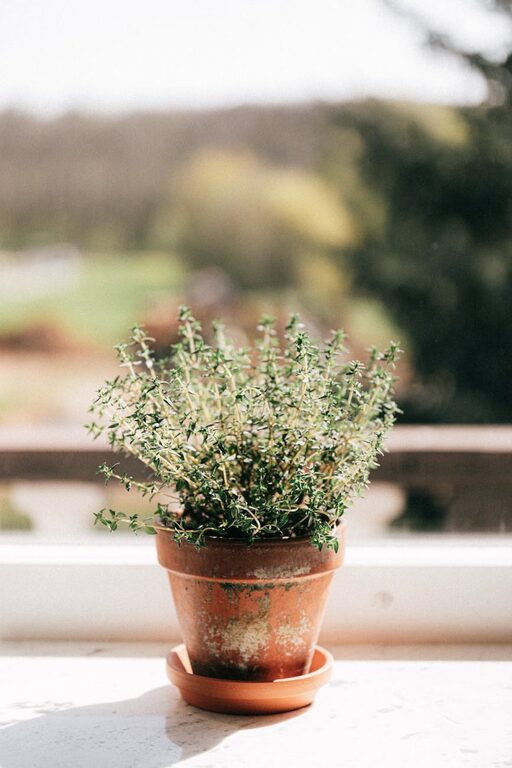
Starting a small herb garden indoors is a rewarding way to add fresh flavors to your cooking and bring a touch of greenery into your home. Whether you have a sunny windowsill or a small corner space, growing herbs indoors is practical and enjoyable, even for beginners. This guide will take you through the essentials of setting up and maintaining your own indoor herb garden.
Why Grow Herbs Indoors?
Growing herbs indoors offers several benefits:
– Freshness: Harvest herbs anytime you need, ensuring optimal flavor.
– Convenience: No need to run to the store every time you want fresh basil or mint.
– Space-saving: Ideal for apartments or homes without outdoor garden space.
– Year-round growth: You can grow herbs regardless of the season or weather outside.
– Improved air quality: Plants help purify and humidify the indoor air.
Choosing the Right Herbs for Indoor Gardening
Not all herbs thrive indoors equally well. Some of the best options for indoor herb gardening include:
– Basil: Prefers lots of sunlight and warmth.
– Mint: Easy to grow and spreads quickly.
– Thyme: Compact plant that needs moderate light.
– Parsley: Grows well with moderate sunlight and regular watering.
– Chives: Tolerant of lower light, perfect for beginners.
– Cilantro: Needs cooler temperatures, moderate sunlight.
These herbs are beginner-friendly and versatile in cooking.
What You’ll Need to Start
Before planting, gather the necessary supplies:
– Containers: Choose pots with drainage holes to prevent overwatering.
– Potting mix: Use a high-quality potting soil formulated for herbs or indoor plants.
– Seeds or seedlings: Decide whether you want to start from seeds or buy small plants.
– Light source: A sunny windowsill with 6–8 hours of light is ideal, or use grow lights.
– Watering can or spray bottle: For gentle watering.
– Fertilizer: A balanced, water-soluble fertilizer suitable for herbs.
– Labels or markers: To identify different herbs.
Step-by-Step Guide to Planting Your Herb Garden
1. Select Your Containers
Opt for containers that fit your space while providing adequate room for roots to grow. Typically, 4–6 inch pots work well for most herbs. Ensure each pot has holes at the bottom for drainage.
2. Prepare the Soil
Fill your containers with potting mix, leaving about an inch from the rim. Potting soil retains moisture but drains well, which helps prevent root rot.
3. Plant Your Herbs
– If planting seeds, check the packet instructions for planting depth and spacing.
– Sow seeds evenly and cover lightly with soil.
– For seedlings, dig a small hole in the soil deep enough to accommodate the root ball, then gently place the plant inside and cover with soil.
– Water the soil gently right after planting to settle it around the roots.
4. Find the Right Spot
Most herbs need plenty of bright, indirect sunlight — typically 6 to 8 hours daily. A south-facing window is often best. If natural light is limited, consider investing in grow lights to provide the necessary spectrum for healthy growth.
5. Water Properly
Herbs generally prefer soil that is moist but not soggy. Water when the top inch of soil feels dry to the touch. Overwatering can cause root rot, so be cautious.
6. Fertilize Occasionally
Feed your herbs every 4–6 weeks with a diluted, balanced fertilizer to promote healthy growth. Be careful not to overfertilize, as this can affect the flavor of the herbs.
Tips for Maintaining Your Indoor Herb Garden
– Rotate your pots regularly to ensure even light exposure.
– Pinch off flower buds as they appear to encourage leaf growth.
– Harvest wisely: Trim herbs by cutting the top leaves, which encourages fuller growth. Avoid removing more than one-third of the plant at a time.
– Check for pests: Indoor plants can attract pests like aphids or spider mites. Wipe leaves with a damp cloth or use natural insecticidal soap if needed.
– Keep humidity moderate: Indoor air can be dry, especially in winter. Occasionally mist your herbs or use a humidifier nearby.
Common Challenges and How to Overcome Them
– Yellow leaves: May indicate overwatering or poor drainage. Let soil dry out before watering again.
– Leggy growth: Insufficient light causes herbs to stretch toward the light. Move plants to a brighter spot.
– Slow growth: Could be due to low temperatures, inadequate light, or lack of nutrients.
– Pests: Use safe, natural remedies to control insects and keep plants healthy.
Harvesting and Using Your Homegrown Herbs
Pick herbs in the morning when oils are most concentrated for best flavor. Use fresh herbs directly in your cooking, or dry them for later use. Some herbs, like basil and mint, are best fresh, while thyme and rosemary dry well.
Final Thoughts
Starting a small herb garden indoors is both simple and gratifying. It connects you with nature, enhances your meals, and brightens your living space. With minimal effort and care, your indoor herbs can flourish, making your home feel fresher and more vibrant year-round. So gather your supplies and get planting—you’ll soon enjoy the delightful scent and taste of fresh herbs at your fingertips!
Happy gardening!